


Prof Dr. Ümit Hakan YILDIZ
Principle Investigator,
PhD in Polymer Chemistry (Max Planck Institute for PolymerResearch Mainz, Germany)
Dr. Ahmet Önder
Dr. Ahmet Önder has received his PhD degree in 2025.
His research topic is Carbon materials Electrochemistry and Diagnostic Tools
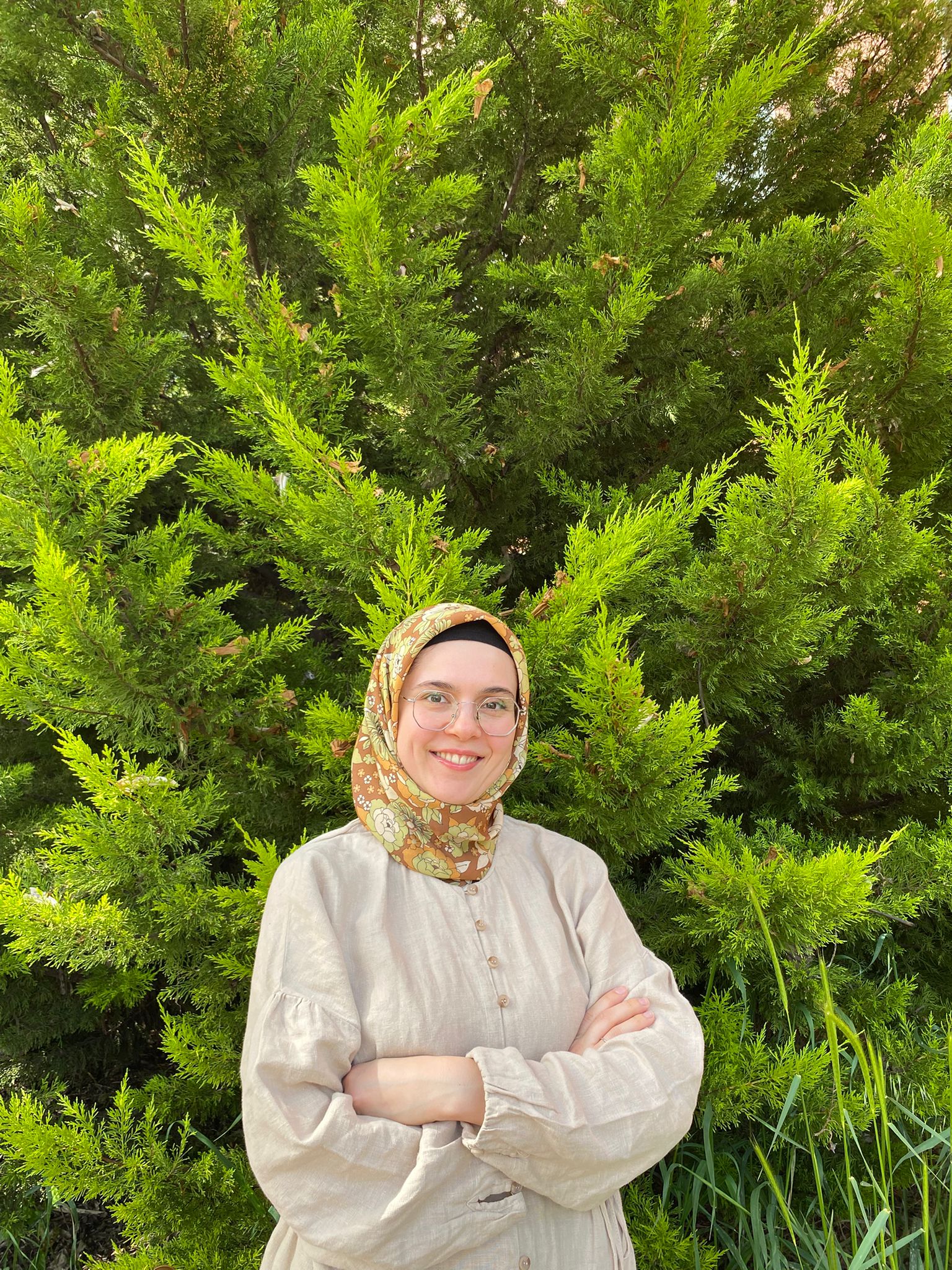
Büşra Köksal
PhD Candidate
Büşra Köksal chases her doctorate. She focuses on polymer gel, cryogels and biocomposites.
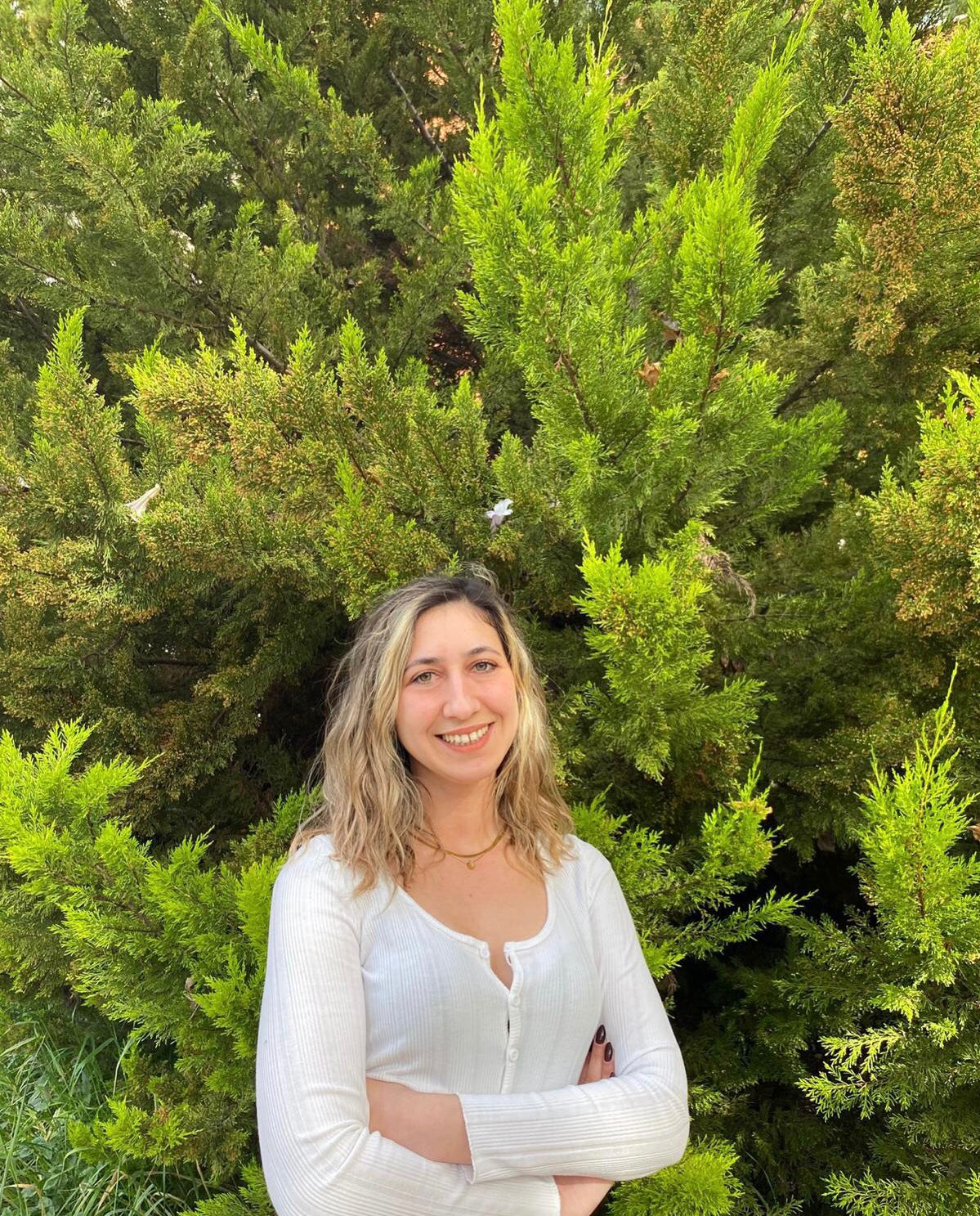
Merve Beyaz
PhD Candidate
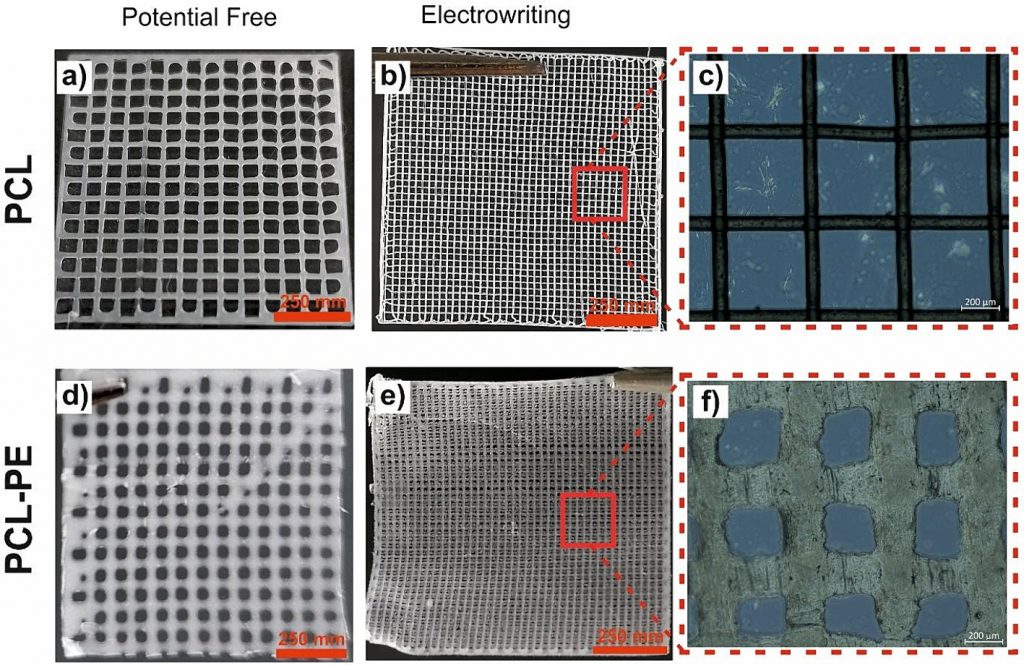
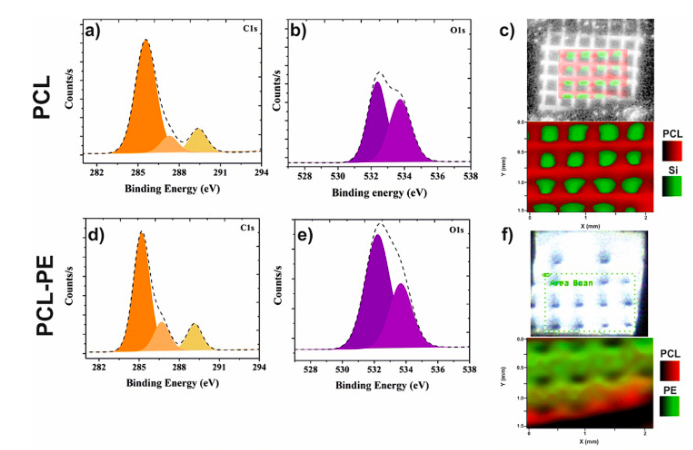
Merve Beyaz continue her doctoral studies about polyester block copolymer synthesis, exploring adhesion and melt electrowriting of polyesters
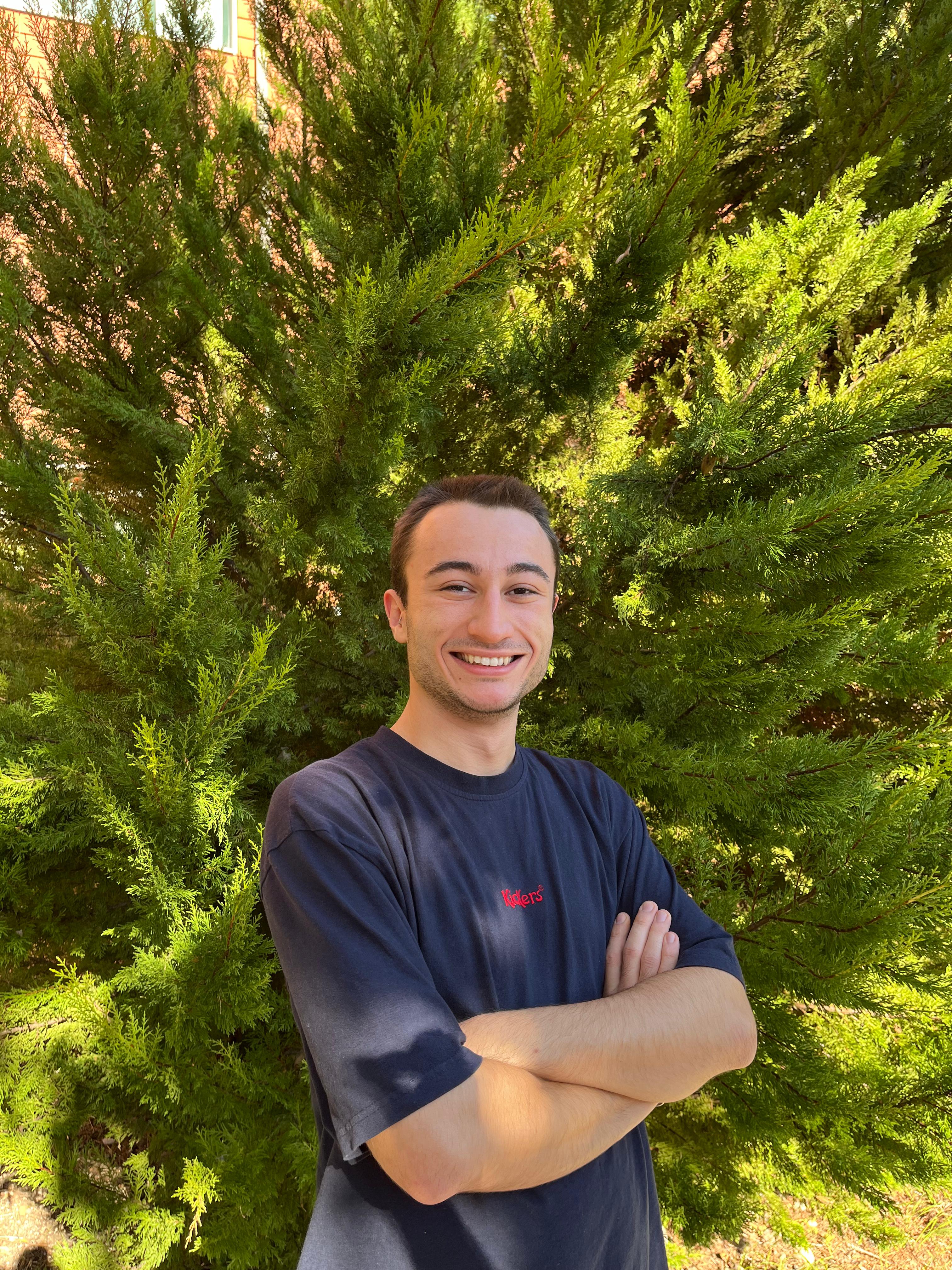
Fatih Sema
MSci Student
Fatih Sema continues his MsC studies about conjugated polymers, polythiophene based donor-acceptor systems
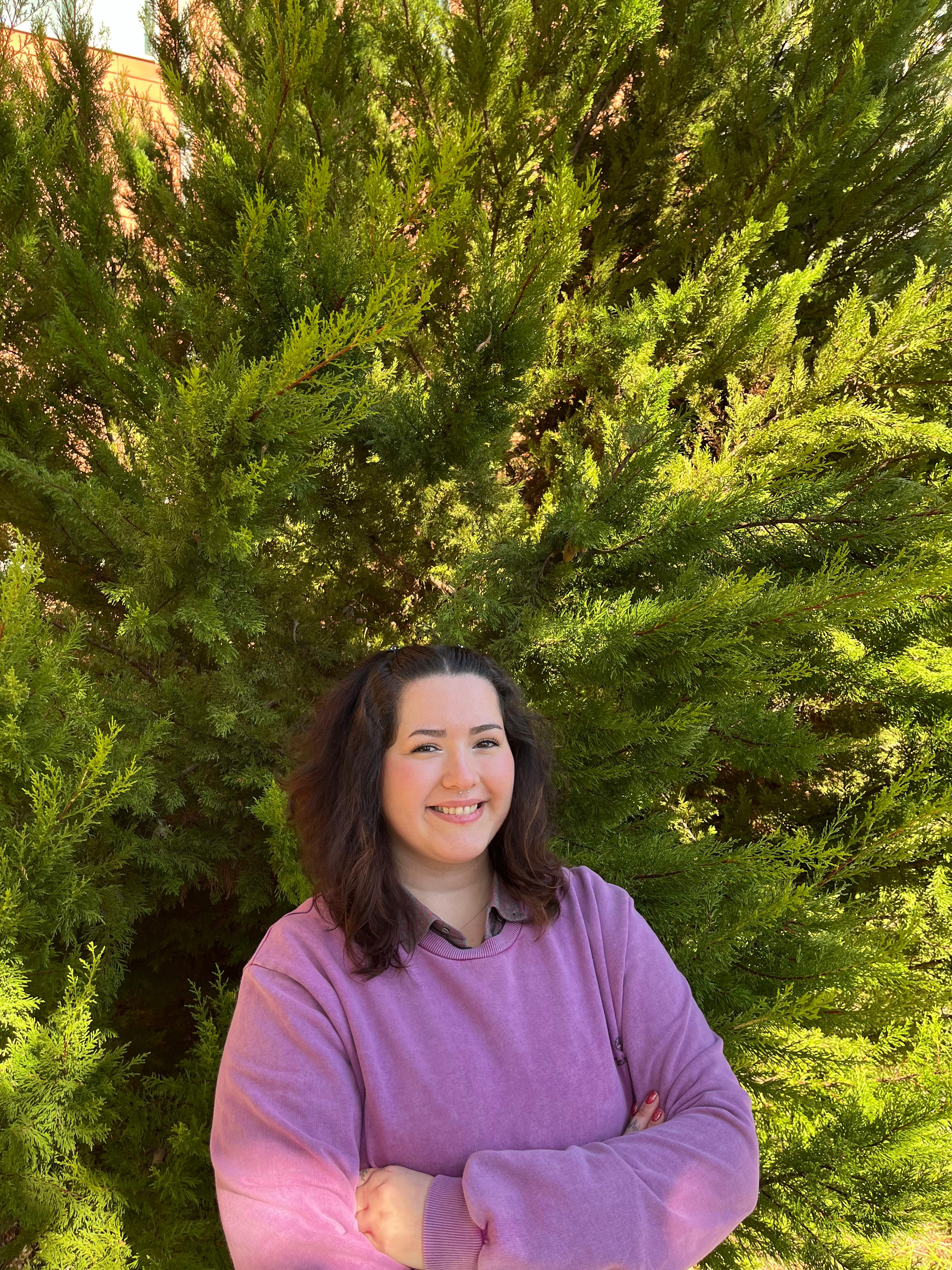
Berfin Cemre Keleş
MSci Student
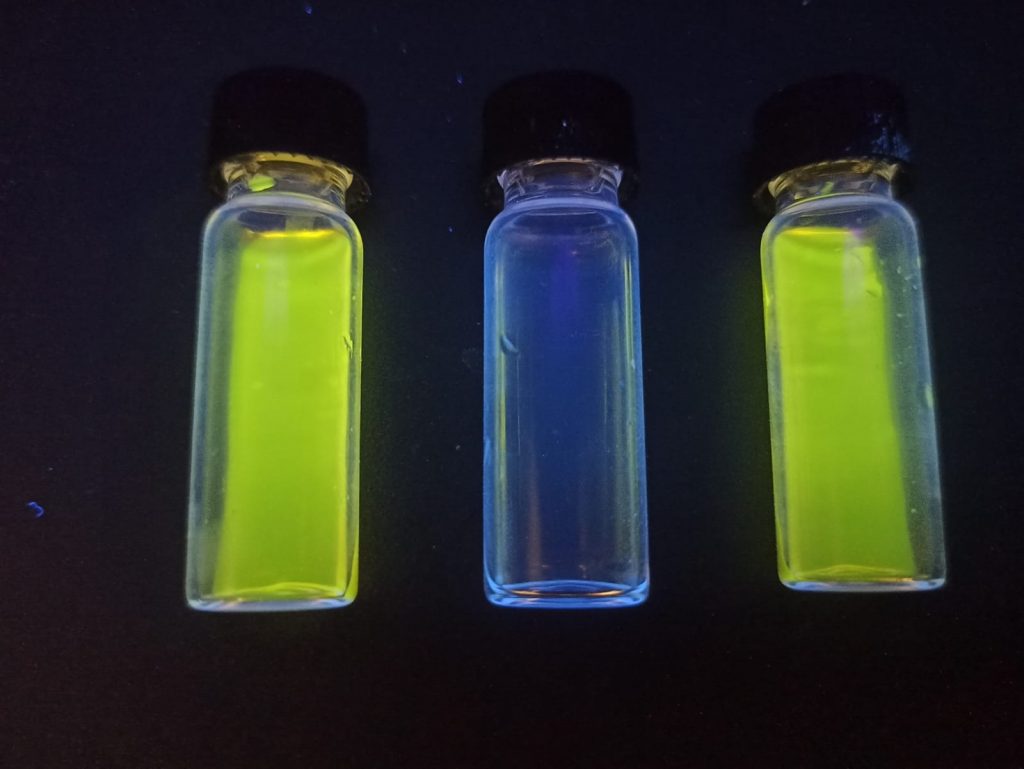
Berfin Keles continues her MSci studies about synthesis of polythiophene based conjugated polymers and their dispersion/solid state emissive polymers
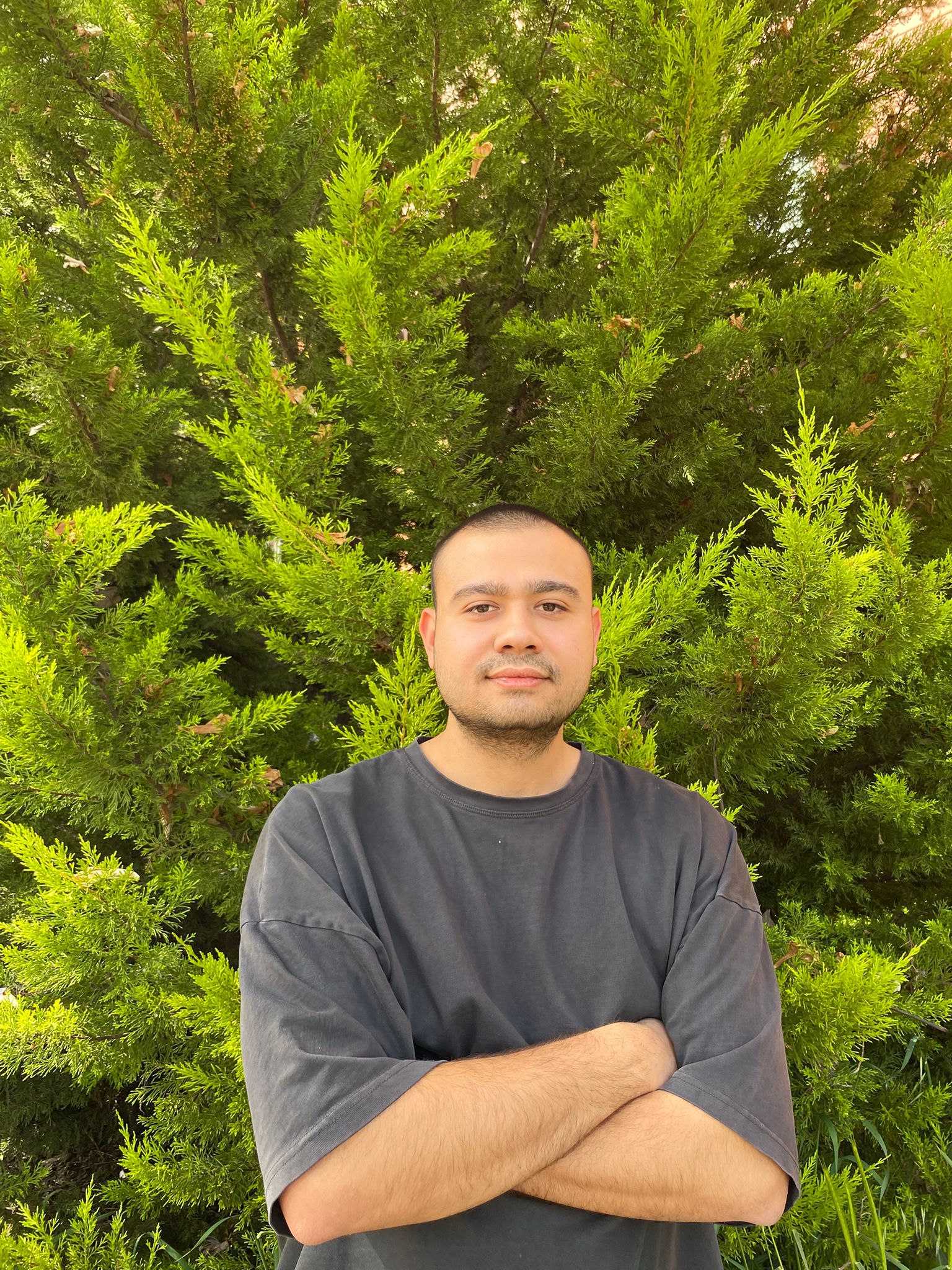
Mert Erem
MSci Student
Mert Erem continues his MSci thesis about synthesis of functional monomers based on Lignin and focuses on covalent adaptive network
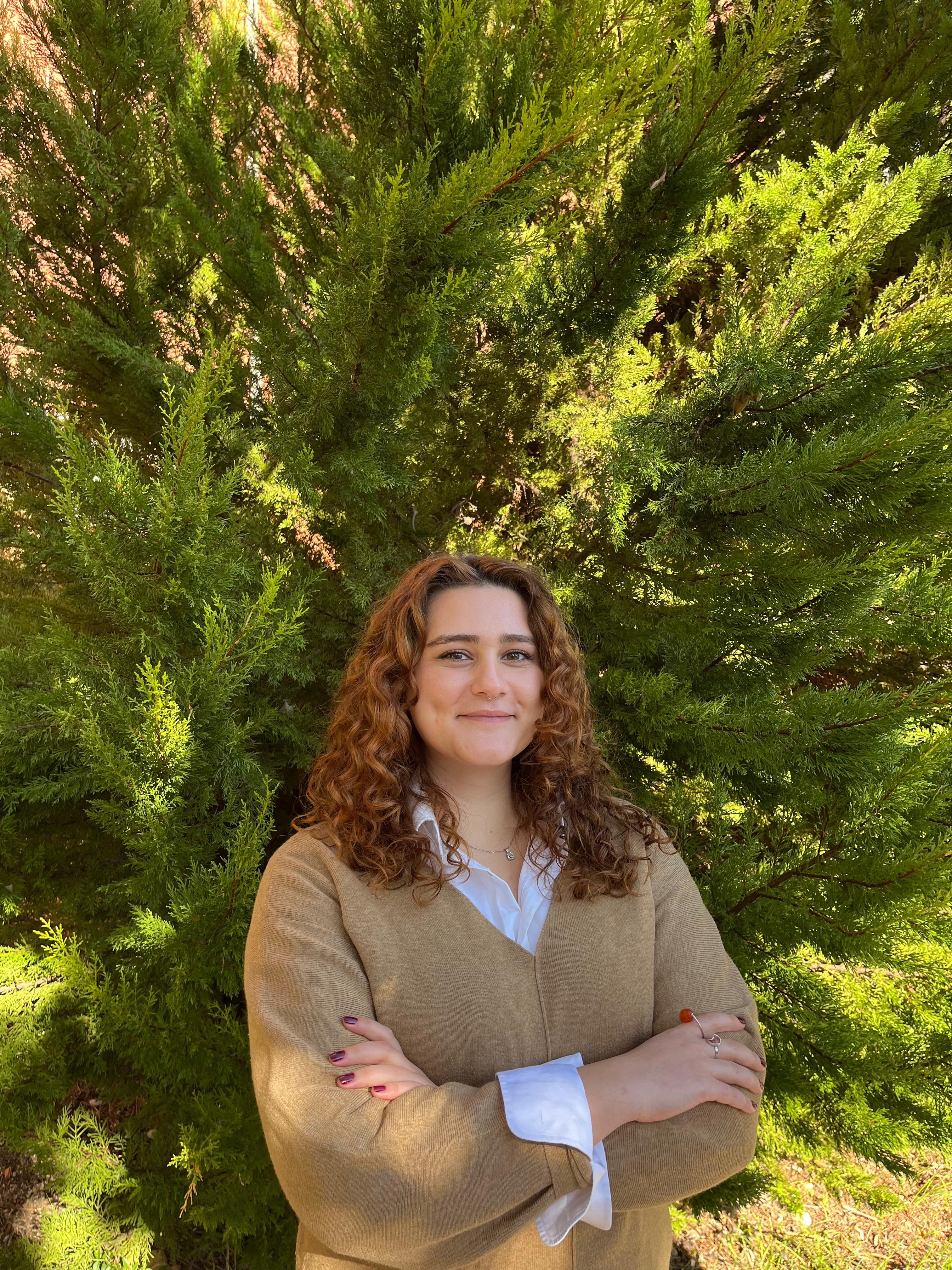
Arzu İrem Çelik
MSci Student
İrem Çelik continues her MSci studies focuses on star shape polyester based polymers and their melt processing
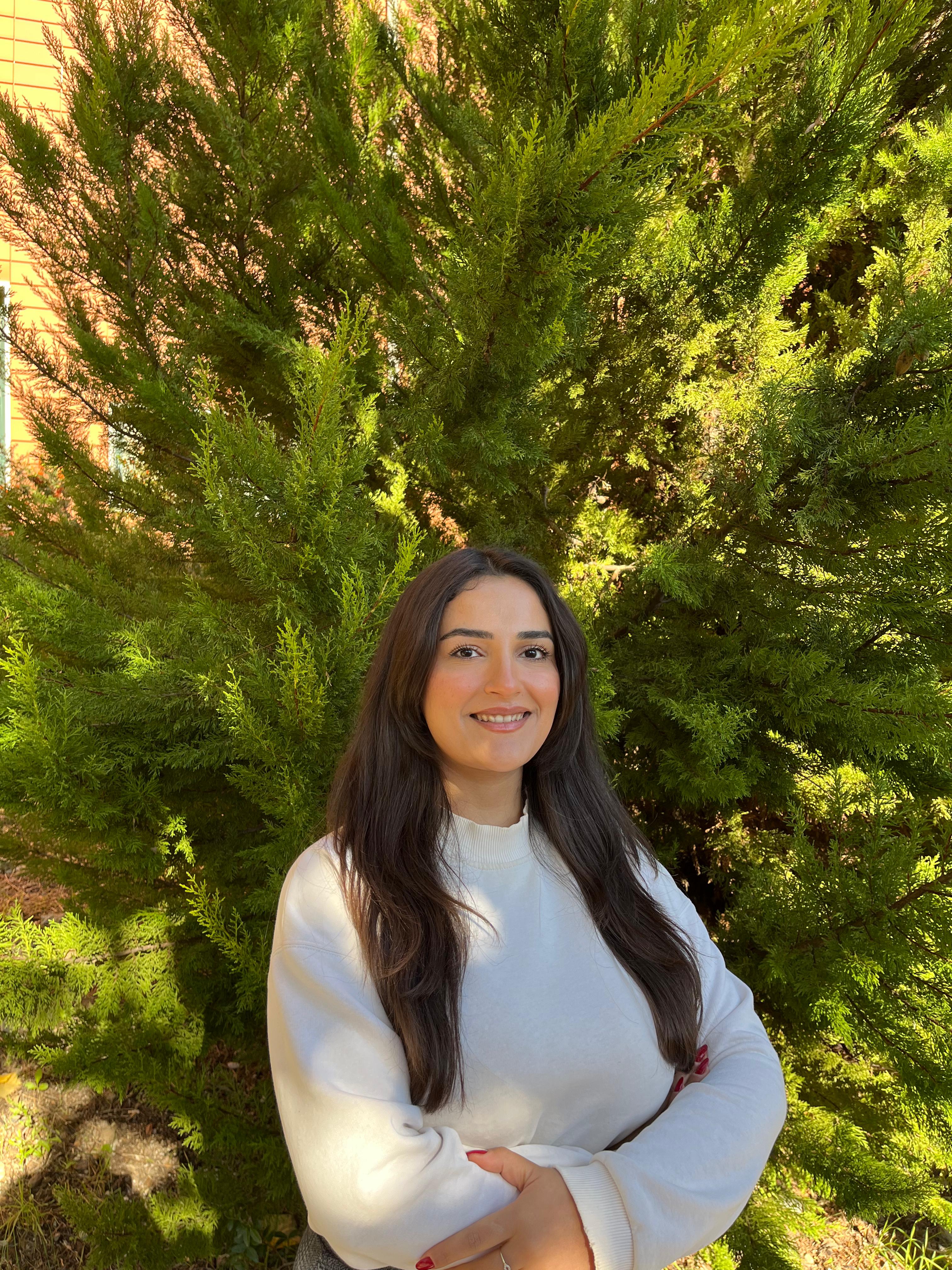
Yaren Karadağ
MSci Student
Yaren Karadağ continues her MSci studies about melt electrowriting of polyglycolic acid based polyesters and cold plasma surface modification
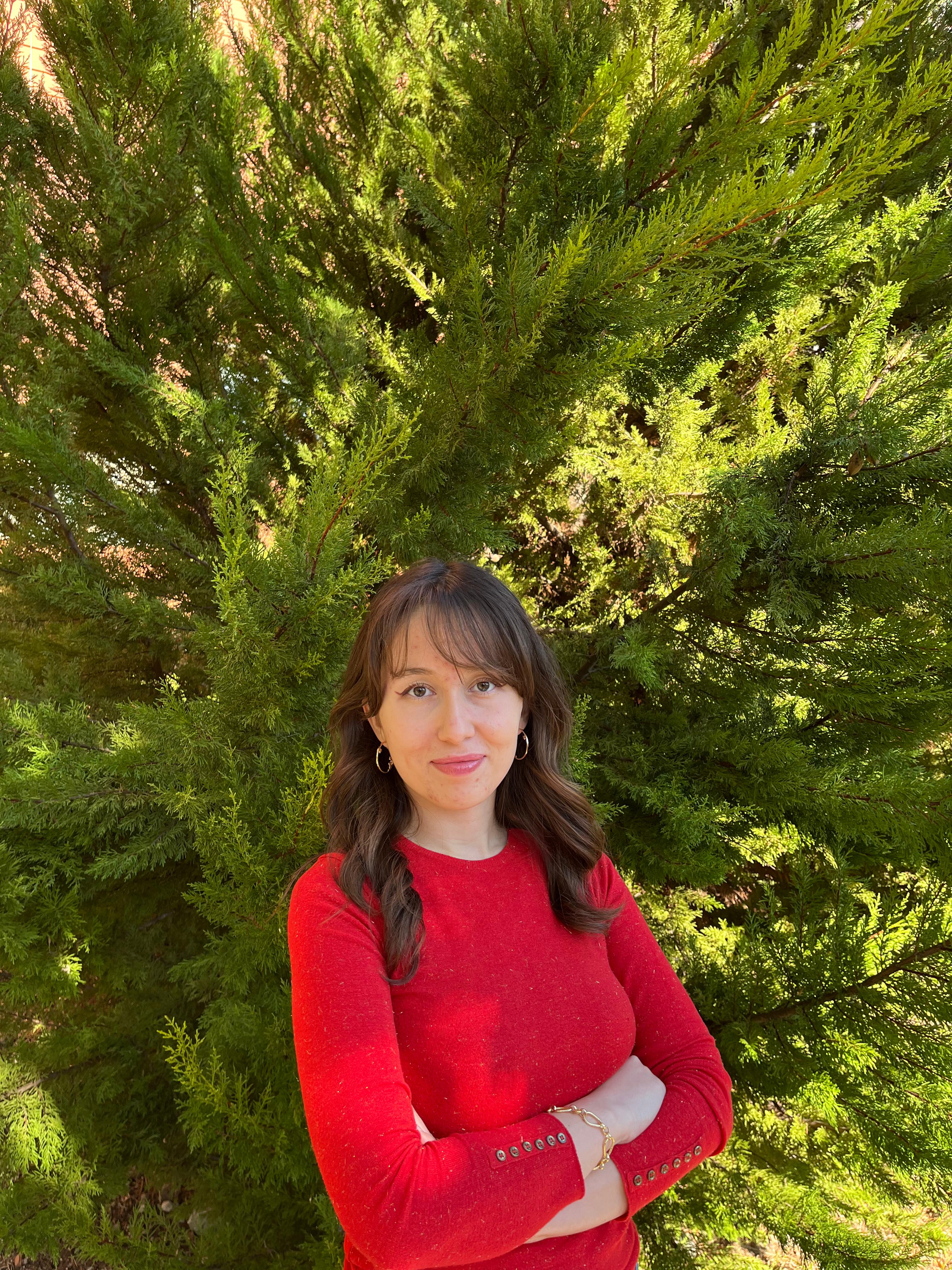
İrem Yaşyerli
MSci Student
İrem Yaşyerli continues her MSci studies about UV curable binding agents for functional electrodes and their usage for sensor applications
Sanem Dinçkal (Alu)
Holding a MSci degree
Sanem Çelik completed her Master of Science degree at Department of Chemistry in IZTech. Her studies is about block copolymer synthesis and polymer processing via electrowriting
Tolunay Kurt
Holding a MSci degree
Tolunay Kurt received his MSci degree from Department of Chemistry in IzTech. Tolunay studied on barrier penertrating conjugated polymers, their synthesis and imaging modalities
Dr. Soner Karabacak (Alu)
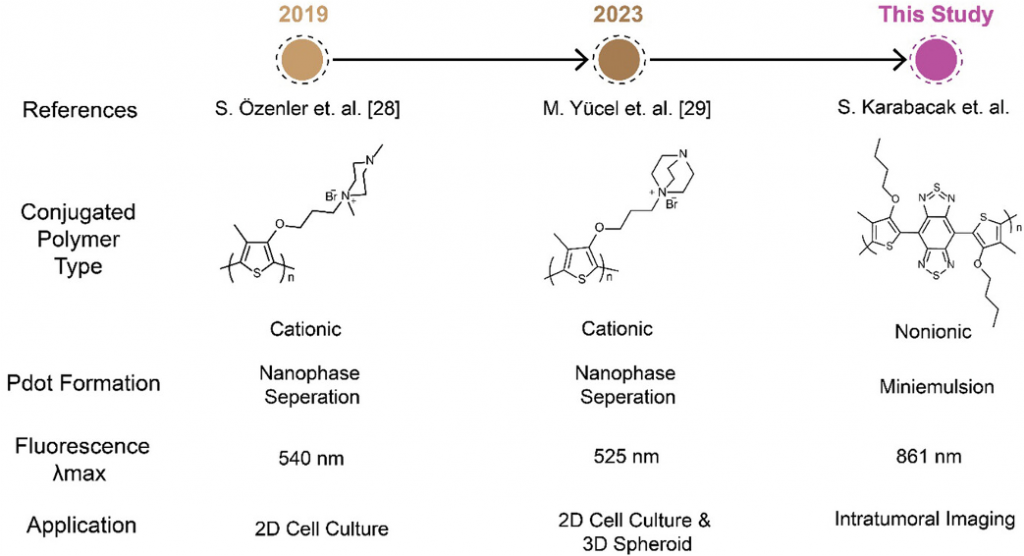
NIR Emissive Polythiophenes Cell-Tumoroid Imaging
Dr. Soner Karabacak has received his PhD degree in 2024 and joined Prof Ali Miserez Group at Nanyang Technological University Singapore
Dr. Dilce Özkendir İnanç
Project Leader
Dr. Dilce Özkendir İnanç received her doctorate degree in 2023 from Department of Photonic in IZTech. She focused on graphene nanostructures, CNT based sensors interfaces and AFM characterizations.
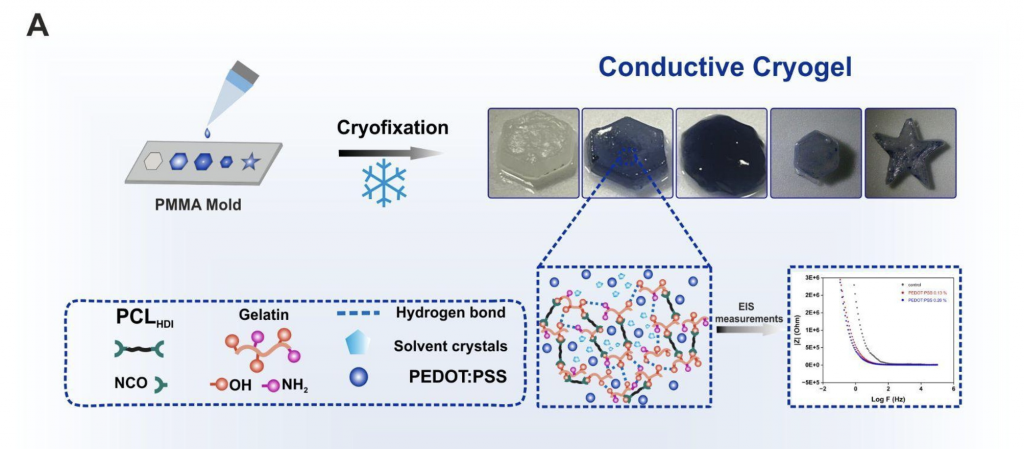
Cryofixation strategy for fabrication of robust gelatin–polyester conductive biocomposites
https://doi.org/10.1080/10601325.2026.2619506
.Thankful for the support of TUBİTAK project no 223Z106
Synthetic memory: a key link between biocatalytically synthesized polyesters and melt electrowriting performance
https://doi.org/10.1080/10601325.2025.2546109
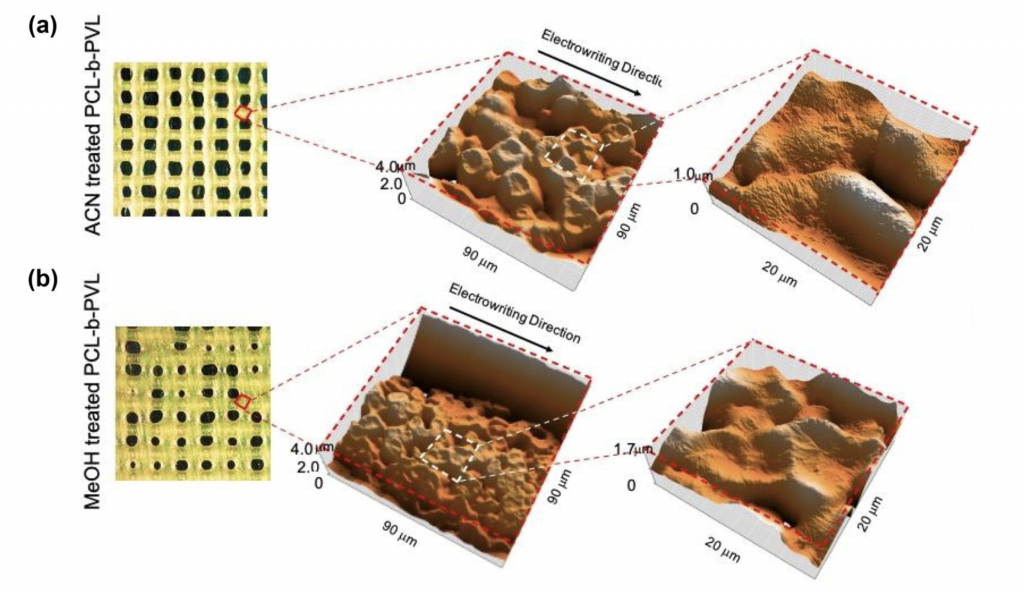
.Thankful for the support of TUBİTAK project no 223Z106
Radially Aligned Carbon Nanotube Glass Fiber Composites as Ion-Selective Microelectrodes
https://pubs.acs.org/doi/full/10.1021/acsomega.4c07239
Nitrate sensing with molecular cage ionophores: a potentiometric approach
DOI: 10.1039/D4SD00359D (Paper) Sens. Diagn., 2025, 4, 432-442
Near-Infrared Emissive Super Penetrating Conjugated Polymer Dots for Intratumoral Imaging in 3D Tumor Spheroid Models
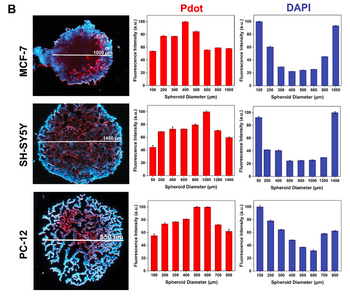
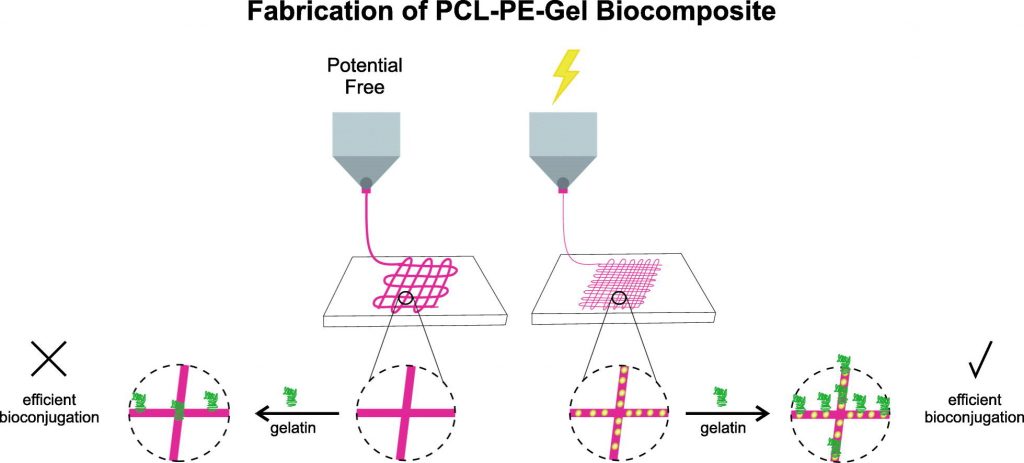
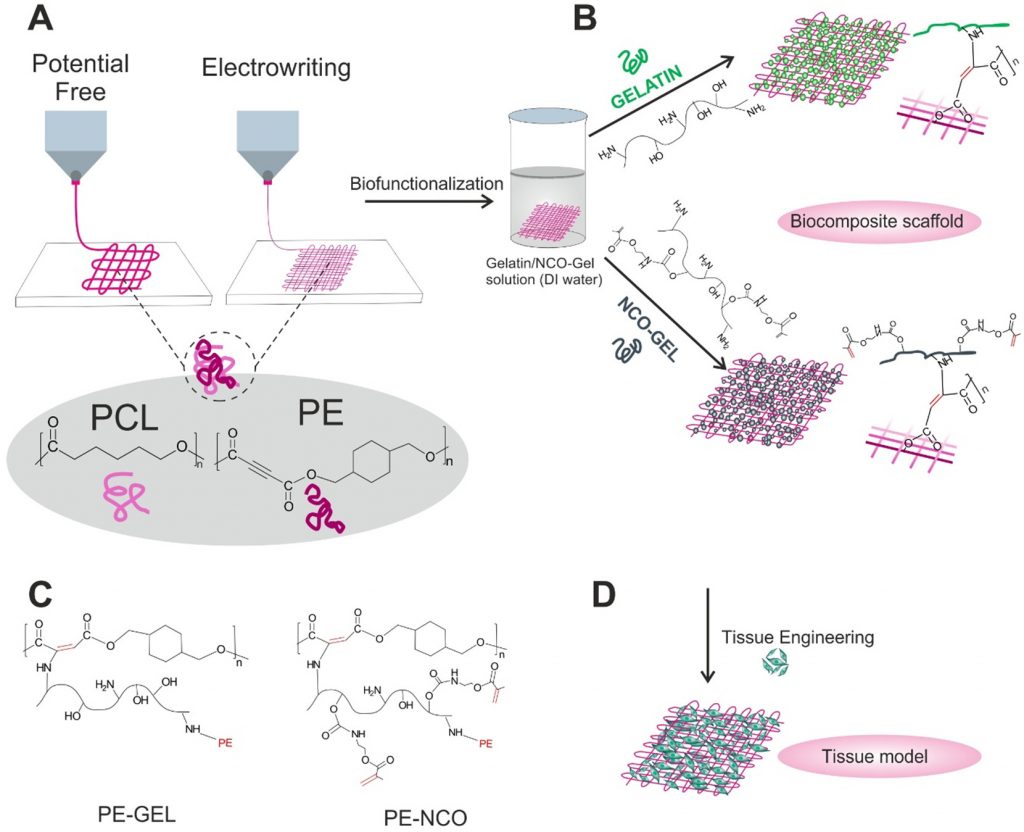
Fabrication of gelatin-polyester based biocomposite scaffold via one-step functionalization of melt electrowritten polymer blends in aqueous phase
https://doi.org/10.1016/j.ijbiomac.2024.130938
Polymer Processing: Electrowriting
Toxin-glycolipid interactions measured by imaging surface plasmon resonance on artificial membranes predicts diffusion behavior and lipid dependence of binding to cells
https://doi.org/10.1101/2024.03.22.586282
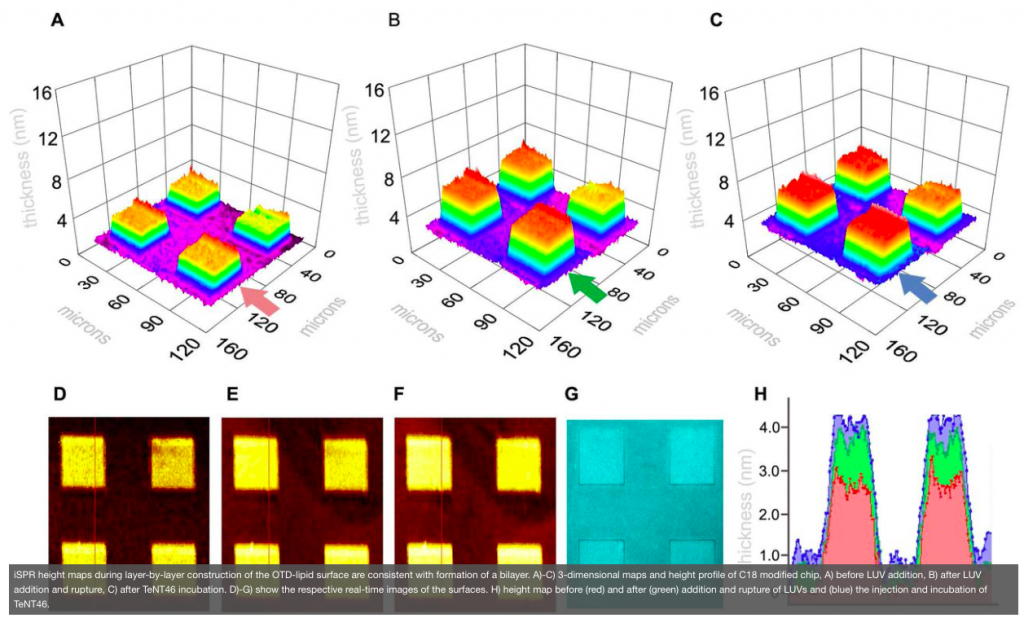

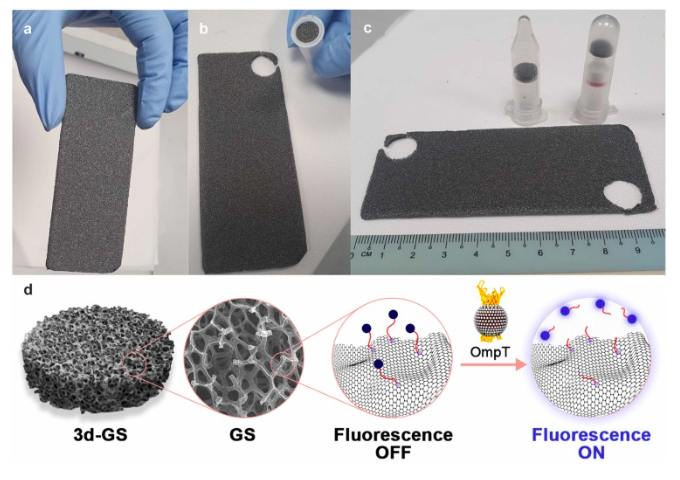
Free-standing Three‐dimensional Graphene Scaffolds for Protease Functional Assay